
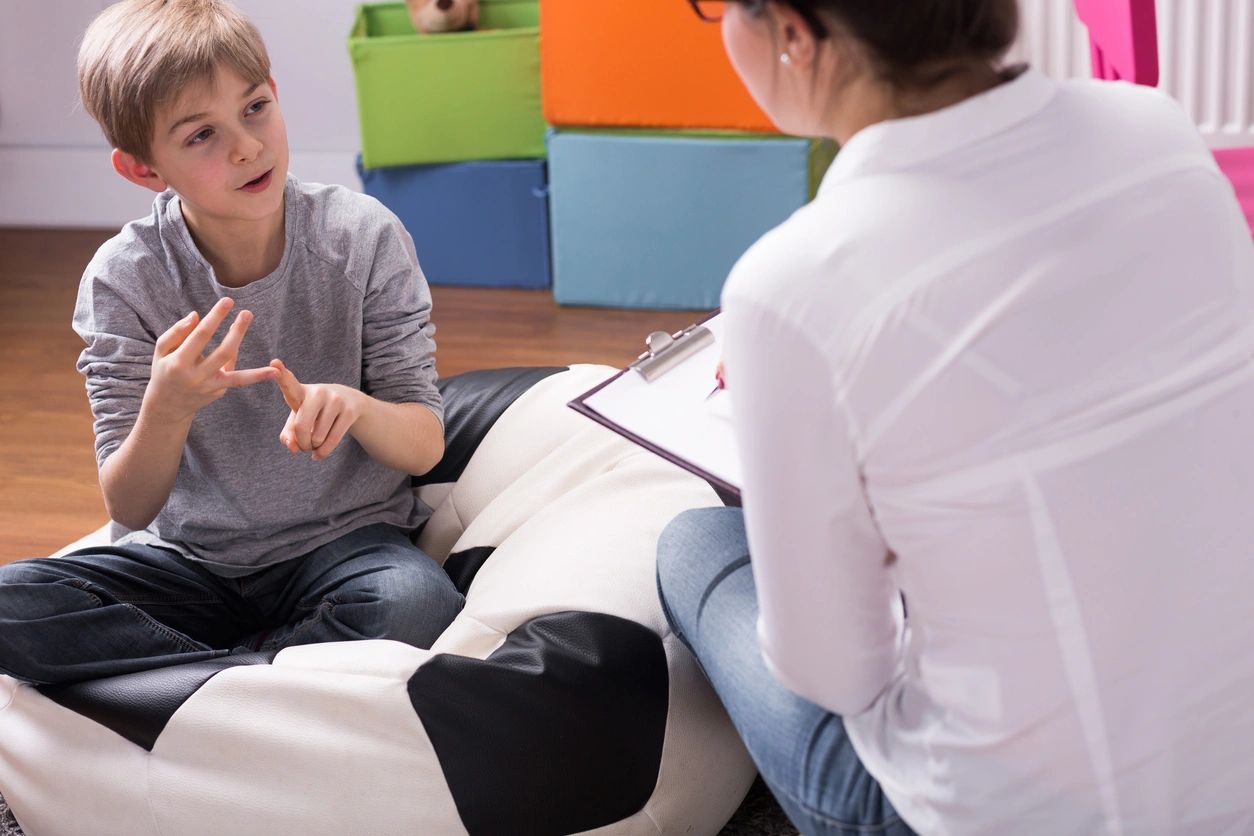
Behaviour rarely happens in isolation.
A participant may cope well in one setting but become distressed in another. A child may feel settled at home but struggle with transitions at school. An adult in supported accommodation may experience behaviours of concern during staff changes, mealtimes, or busy routines.
This is why mobile positive behaviour support Darwin services can be so helpful.
Mobile Positive Behaviour Support, often called mobile PBS, allows a behaviour support practitioner to see what is happening in real life. The practitioner can observe routines, environments, communication styles, triggers, strengths, and support needs where they occur.
For NDIS participants, families, carers, schools, and supported accommodation providers, this can lead to more practical and person-centred strategies.
What Is Mobile Positive Behaviour Support?
Mobile Positive Behaviour Support involves delivering PBS services in the participant’s everyday environments.
This may include:
• Home visits
• School visits
• Supported accommodation visits
• Community setting observations
• Day program visits
• Workplace or activity-based visits
• Telehealth follow-up where suitable
The goal is to understand the person within their real daily context.
The NDIS Quality and Safeguards Commission explains that Positive Behaviour Support focuses on improving a person’s quality of life and reducing and eliminating restrictive practices where possible.
A mobile PBS Darwin approach supports this by helping practitioners understand what support looks like in practice, not only on paper.
Why Setting Matters in Behaviour Support
Behaviours of concern are often linked to what happens around the person.
This may include:
• Noise levels
• Lighting
• Routines
• Communication demands
• Transitions
• Staff changes
• Sensory input
• Social expectations
• Access to preferred activities
• Pain, fatigue, or stress
A clinic appointment can provide useful information, but it may not show the full picture.
For example, a participant may appear calm during an appointment but become distressed during the morning routine at home. A child may communicate well one-on-one but struggle in a busy classroom. A resident in supported accommodation may cope with familiar staff but become anxious when routines change.
Mobile PBS helps practitioners see these patterns directly.
Behaviour Support Home Visits
Behaviour support home visits allow the practitioner to understand the participant’s home environment, routines, and relationships.
Home visits may help identify:
• Morning and evening routine challenges
• Communication barriers
• Sensory triggers
• Family stress points
• Sleep-related patterns
• Mealtime difficulties
• Personal care concerns
• Safety risks
• Environmental changes that may help
Home visits also give families a chance to ask questions in a familiar space.
A practitioner may suggest small, practical changes such as:
• Visual routines
• Clearer transition cues
• Sensory supports
• Communication tools
• Changes to task demands
• Predictable choices
• Safer environmental setup
• Support worker guidance
The aim is not to judge the home environment. The aim is to understand what is happening and support the participant and family with respect.
PBS School Visits
PBS school visits can support children and young people who experience behaviours of concern in education settings.
A practitioner may observe:
• Classroom transitions
• Peer interactions
• Playground routines
• Sensory demands
• Communication expectations
• Task difficulty
• Behaviour before and after breaks
• Staff responses
• Environmental triggers
For example, a child may become distressed after lunch because the playground is noisy and unpredictable. Another child may refuse classroom tasks because they do not understand the instructions or feel anxious about making mistakes.
PBS school visits help identify these patterns and support more consistent strategies.
Support may include:
• Visual schedules
• Transition planning
• Calm spaces
• Communication supports
• Sensory breaks
• Staff guidance
• Predictable routines
• Collaboration with families and educators
When schools, families, and behaviour support practitioners work together, the participant receives more consistent support across settings.
Supported Accommodation Behaviour Support
Supported accommodation behaviour support is often needed when participants live in shared homes, supported independent living, or other staffed environments.
These settings can involve complex routines and multiple support workers.
A PBS practitioner may look at:
• Staff consistency
• Communication between shifts
• Incident patterns
• Mealtime routines
• Medication routines
• Personal care supports
• Housemate interactions
• Environmental restrictions
• Community access routines
• Use of restrictive practices
Supported accommodation visits help practitioners see how support plans are being implemented.
They may also identify where workers need extra guidance or training.
For example, a participant may become distressed when different workers use different instructions. Another participant may feel anxious when house routines change without warning.
Mobile PBS can help create clearer strategies for staff and better consistency for the participant.
What Happens During a Mobile PBS Visit?
Every visit depends on the participant’s needs and goals.
A mobile PBS Darwin visit may include:
- Talking with the participant and support network
The practitioner may speak with the participant, family, carers, teachers, support workers, or house supervisors.
- Observing routines
The practitioner may observe routines where behaviours commonly occur, where appropriate and respectful.
- Reviewing triggers and supports
They may look at what happens before, during, and after behaviours of concern.
- Identifying strengths
PBS should also recognise what is working well.
- Suggesting practical strategies
The practitioner may provide early guidance while more detailed assessment continues.
- Planning next steps
This may include further assessment, a PBS plan, team training, or review meetings.
How Mobile PBS Supports Behaviour Support Plans
Mobile visits often provide useful information for an NDIS behaviour support plan.
A plan may include:
• Preventative strategies
• Communication supports
• Environmental adjustments
• Skill-building goals
• De-escalation steps
• Support worker guidance
• Restrictive practice reduction strategies
• Review arrangements
The NDIS Commission says every participant should have an up-to-date behaviour support plan that reflects their needs, improves quality of life, and supports positive progress.
Mobile visits help make these plans more realistic because they reflect everyday life.
When Is Mobile PBS Useful?
Mobile PBS may be helpful when:
• Behaviours happen mainly in one setting
• Support teams struggle with consistency
• A participant finds clinic visits difficult
• Families need strategies in the home
• School routines are affecting behaviour
• Supported accommodation staff need guidance
• Restrictive practices are being used
• Incident patterns need closer review
• The participant has complex communication needs
Mobile PBS can also help when a participant lives in regional or remote areas near Darwin and benefits from a mix of in-person visits and telehealth support.
Myth vs Fact About Mobile PBS
Myth: Mobile PBS is only for crisis situations
Fact: Mobile PBS can support early intervention, prevention, and everyday skill-building.
Myth: Home visits are about judging families
Fact: Behaviour support home visits focus on understanding routines and providing practical support.
Myth: School visits replace teacher support
Fact: PBS school visits support collaboration. They do not replace the school’s role.
Myth: Supported accommodation behaviour support only looks at incidents
Fact: Good PBS also looks at quality of life, choice, communication, relationships, and routines.
Questions to Ask Before Starting Mobile PBS
Families and support coordinators may want to ask:
• What settings will the practitioner visit?
• Who needs to provide consent?
• What information should we prepare?
• Will schools or providers be included?
• How are observations conducted respectfully?
• Will the practitioner provide staff training?
• How will recommendations be shared?
• Can telehealth support follow in-person visits?
• How will progress be reviewed?
Clear expectations help everyone feel more comfortable.
How Arise Allied Health Supports Mobile PBS
Arise Allied Health provides person-centred and evidence-based Positive Behaviour Support for NDIS participants across Australia.
Support may include:
• Mobile PBS Darwin services
• Behaviour support home visits
• PBS school visits
• Supported accommodation behaviour support
• Functional behaviour assessments
• Interim and comprehensive behaviour support plans
• Psychology services
• Assessments
• Therapeutic supports
• Telehealth services
Arise Allied Health’s approach focuses on the person, their environment, and their support system. The organisation describes PBS as a person-centred and evidence-based approach designed to understand and address behaviours of concern.
Internal links may naturally guide readers to PBS services, psychology services, assessment services, telehealth services, NDIS support information, and the contact page.
Final Thoughts
Mobile positive behaviour support in Darwin helps practitioners understand behaviour where daily life happens.
Home, school, and supported accommodation visits can reveal patterns that may not appear in an office or phone call. They also help families, educators, support workers, and providers build more consistent strategies around the participant’s needs.
The goal of PBS is not to control behaviour. It is to understand the person, reduce distress, improve communication, and support safer, more meaningful participation.
If behaviours of concern are affecting daily routines, relationships, school attendance, or supported accommodation, mobile PBS may be a practical next step.