
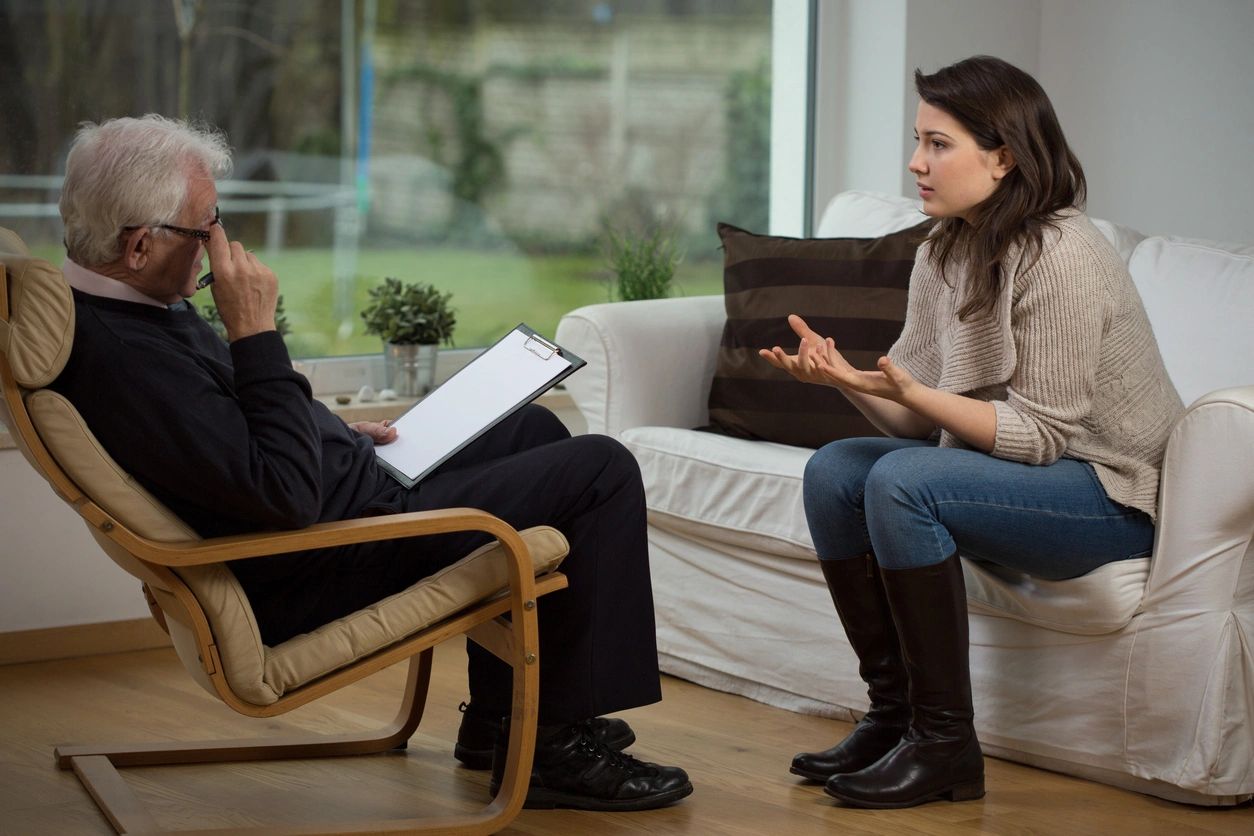
Supporting someone with behaviours of concern often feels overwhelming for families, carers, and support coordinators. Many people struggle to find practical guidance, consistent support, and professionals who understand the individual behind the behaviour.
This is where positive behaviour support in Darwin plays an important role.
Positive Behaviour Support, often called PBS, helps people improve quality of life through person-centred strategies, skill building, and understanding the reasons behind behaviours. For NDIS participants, PBS focuses on reducing stress, improving communication, increasing independence, and supporting safer daily environments.
Families and support coordinators across Darwin often ask similar questions:
• What does a behaviour support practitioner do?
• How does NDIS behaviour support work?
• When should someone access PBS services?
• What should families expect during the process?
This guide explains what you need to know about PBS in Darwin and how the right support helps participants, families, and care teams work together more effectively.
What Is Positive Behaviour Support?
Positive Behaviour Support is an evidence-based approach used to understand behaviours of concern and improve a person’s overall wellbeing.
Rather than focusing on punishment or control, PBS looks at:
• Why behaviours happen
• What unmet needs exist
• Environmental triggers
• Communication challenges
• Emotional regulation
• Skill development
• Support strategies that improve daily life
A behaviour support practitioner in Darwin works closely with participants, families, support workers, teachers, allied health teams, and carers to create practical and respectful support plans.
PBS is commonly funded through the NDIS under Improved Relationships or Capacity Building supports.
What Are Behaviours of Concern?
Behaviours of concern are behaviours that place a person or others at risk, reduce quality of life, or limit participation in daily activities.
Examples include:
• Aggression
• Property damage
• Self-injury
• Verbal outbursts
• Absconding or running away
• Social withdrawal
• Repetitive unsafe behaviours
These behaviours often communicate stress, discomfort, unmet needs, sensory overload, trauma responses, or difficulties with communication.
PBS focuses on understanding these underlying factors instead of labelling the person.
How Does PBS Support NDIS Participants in Darwin?
NDIS behaviour support in Darwin aims to improve the participant’s independence, safety, relationships, and inclusion within the community.
Support strategies are tailored to the individual’s goals, strengths, and environment.
A PBS provider in Darwin may help participants:
• Build communication skills
• Develop emotional regulation strategies
• Improve daily routines
• Reduce distress in challenging situations
• Increase community participation
• Strengthen social connections
• Support safer home and school environments
For example, a child who experiences distress during transitions at school may benefit from visual schedules, sensory supports, and predictable routines. An adult participant experiencing frustration due to communication barriers may benefit from alternative communication strategies and environmental adjustments.
Small practical changes often create meaningful improvements in daily life.
What Does a Behaviour Support Practitioner Do?
A behaviour support practitioner in Darwin works collaboratively with the participant and their support network.
Their role often includes:
Conducting Assessments
The practitioner gathers information about:
• Behaviour patterns
• Triggers and environmental factors
• Communication needs
• Medical and mental health considerations
• Sensory factors
• Daily routines
• Existing supports
This process helps identify the purpose or function of behaviours.
Developing a Behaviour Support Plan
The behaviour support plan outlines:
• Preventative strategies
• Skill-building supports
• Communication approaches
• Environmental recommendations
• Crisis response guidance if required
• Strategies for reducing restrictive practices
The plan should remain practical, respectful, and easy for support teams to follow.
Supporting Families and Carers
Families often carry significant emotional pressure when supporting someone with complex behaviours.
PBS practitioners provide:
• Education and guidance
• Practical strategies
• Collaborative problem-solving
• Ongoing review and support
This shared approach helps families feel more confident and supported.
Working Alongside Allied Health Teams
PBS often works alongside other supports, including:
• Psychology
• Occupational therapy
• Speech pathology
• Support coordination
• Therapeutic supports
Collaborative care helps create more consistent outcomes across home, school, work, and community settings.
When Should Someone Access Positive Behaviour Support?
Many people assume PBS only applies during crisis situations. In reality, early support often leads to better long-term outcomes.
You might consider PBS support if:
• Behaviours affect safety or wellbeing
• Daily routines feel difficult to manage
• Communication challenges increase distress
• School or community participation becomes harder
• Families or support workers feel overwhelmed
• Restrictive practices are being used
• The participant struggles with emotional regulation
Early intervention gives participants and families more opportunities to build supportive routines and positive coping strategies.
Understanding Restrictive Practices in the NDIS
Restrictive practices are interventions that limit a person’s rights or freedom of movement.
Examples include:
• Physical restraint
• Locked environments
• Restricting access to items
• Chemical restraint
Under the NDIS Quality and Safeguards Commission, restrictive practices must follow strict regulations and reporting requirements.
PBS practitioners play an important role in reducing and eliminating restrictive practices wherever possible through proactive and person-centred strategies.
This process focuses on improving quality of life while supporting safety for everyone involved.
What Families Should Look for in a PBS Provider in Darwin
Choosing the right PBS provider in Darwin matters.
Families and support coordinators should look for providers who prioritise:
Person-Centred Care
Support should reflect the participant’s goals, preferences, strengths, and cultural background.
Evidence-Based Practice
Strategies should align with current research and NDIS best practice guidelines.
Collaboration
Strong PBS outcomes often involve teamwork between families, schools, support workers, therapists, and coordinators.
Clear Communication
Good practitioners explain strategies in simple and practical language.
Respectful Support
Participants should feel heard, valued, and included in decision-making where appropriate.
Common Questions About PBS in Darwin
Is Positive Behaviour Support only for children?
No. PBS supports children, adolescents, and adults across different stages of life.
Does the NDIS fund PBS services?
Yes. Many participants access PBS through Capacity Building supports within their NDIS plan.
How long does PBS support last?
Support length varies depending on the participant’s needs, goals, and circumstances.
Can PBS work alongside psychology services?
Yes. Psychology and PBS often complement each other well, especially when emotional regulation, mental health, trauma, or behavioural challenges overlap.
Is telehealth available for PBS services?
Many allied health providers offer telehealth options for participants in regional or remote areas where face-to-face access may be limited.
Myth vs Fact About Positive Behaviour Support
Myth: PBS is about controlling behaviour
Fact: PBS focuses on understanding behaviour, improving wellbeing, and building supportive environments.
Myth: Behaviour support plans are only for crisis situations
Fact: PBS also supports early intervention, skill building, and prevention strategies.
Myth: Families are blamed for behaviours of concern
Fact: PBS works collaboratively and recognises the many factors influencing behaviour.
How Arise Allied Health Supports Participants and Families
At Arise Allied Health, Positive Behaviour Support is grounded in compassion, evidence-based practice, and person-centred care.
Support focuses on helping participants build safer, more meaningful, and more independent lives through collaborative strategies tailored to their needs.
Families and support coordinators often benefit from integrated support options, including:
• Positive Behaviour Support services
• Psychology services
• Functional and behavioural assessments
• Therapeutic supports
• Telehealth services
• NDIS allied health support
This collaborative approach helps create consistency across daily environments and support teams.
Final Thoughts
Positive Behaviour Support in Darwin gives participants, families, and support coordinators a structured and compassionate way to understand behaviours and improve daily life.
The right PBS approach focuses on dignity, communication, safety, and meaningful participation. Support should always feel respectful, practical, and tailored to the individual.
If you are supporting an NDIS participant experiencing behaviours of concern, seeking guidance early often helps reduce stress and build stronger long-term support strategies.
Arise Allied Health works alongside participants, carers, and support networks to provide evidence-based and person-centred PBS support across Australia.